

Articles on SEND, inclusion and emotional safety
Practical reading for UK parents, school leaders and employers on school anxiety, attendance, SEND, inclusion and psychological safety at work. New articles most weeks.
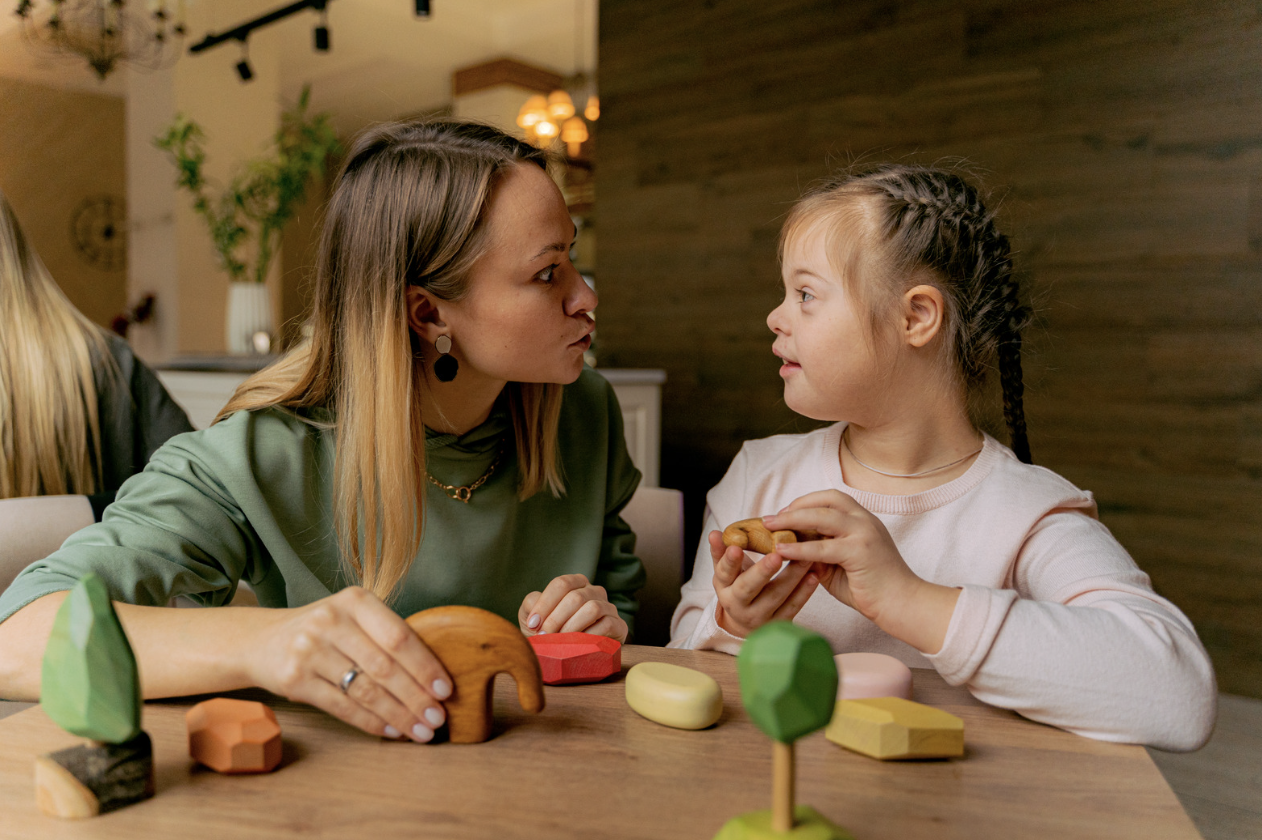
When family life keeps going wrong in the same place
Some hard moments do not arrive randomly.
They have a pattern.
The school morning that starts tightening before anyone has found their shoes.
The after-school collapse that seems to come from nowhere, even though your child was “fine” all day.
The bedtime battle that begins before the pyjamas are even mentioned.
The screen-off moment that turns into a storm.
And somewhere in the middle of it all, a parent or caregiver is often left thinking:
“Why does this keep happening and why do I feel like I’m getting it wrong?”
If that is you, I want to say this gently:
You are not failing.
Your child is not broken.
And the moment that keeps going wrong may be trying to tell you something.
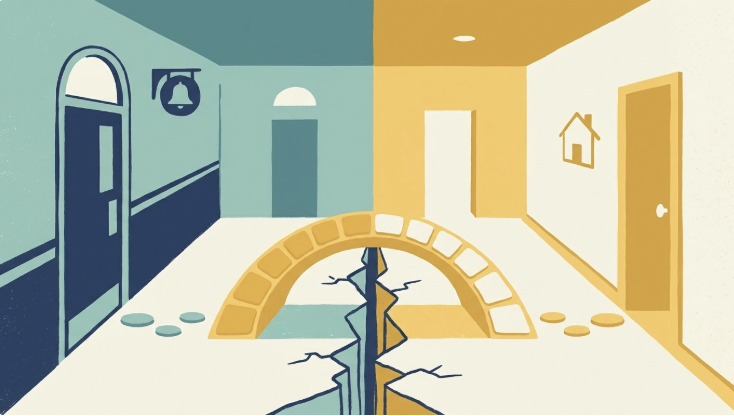
How to Evidence Inclusion Without Performative Paperwork
Inclusion evidence should not become another paperwork burden. This article explores how schools can evidence SEND inclusion, reasonable adjustments, behaviour support and pastoral provision by focusing on one repeated pressure point, installing a practical adult response, and tracking whether the pattern begins to change.
Rising Needs Need More Than a Quick Fix (2026/27): The AmbiSense Infrastructure Approach
Rising need isn’t a “more support” problem, it’s a consistency under strain problem. When the same hot windows break every day (arrivals, corridors, changeovers, re-entry), the cost shows up fast: lost learning time, higher safeguarding volume, and senior bandwidth pulled into the same incidents.
For 2026/27, the question isn’t “what intervention do we buy?” it’s: what do we install so inclusion holds, even under pressure?

Separation is common. Mediation isn’t the job. Stability is.
When parents separate, school often becomes the steadiest place in a child’s week. Here’s what “staying steady” looks like in practice, with clear boundaries and phrases that protect children and reduce pressure on staff.
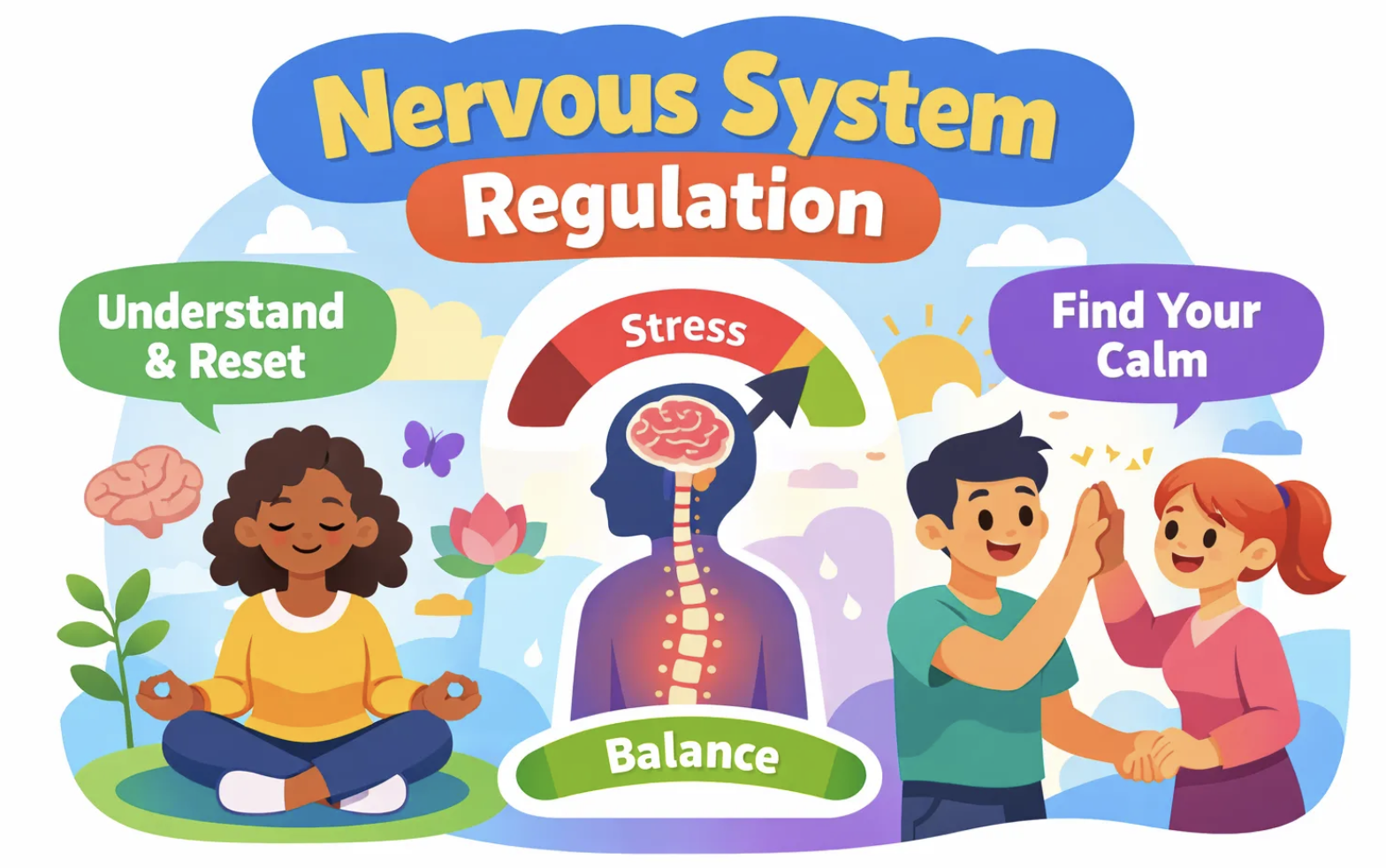
Nervous system regulation: what it means and how to reset
You snap at someone you love over something small. You go completely blank in an important meeting. You lie awake at 2am, replaying a conversation from six days ago. That's not a character flaw, and it's not a reflection of how much you care or how capable you are. Nervous system regulation explains what's actually happening: your autonomic nervous system is doing precisely what it was designed to do, and it needs a reset.
Found something useful? Here's your next step
Calm words for hard moments
Free de-escalation scripts for the moments that keep going wrong at home.
Get the free scriptsFind your priority pressure point
A free 20-minute leadership tool to see where pressure is building.
Get the free Pressure MapYou can also read and subscribe on Substack.
Not sure which path fits? Let's talk it through.
A short conversation about what is happening and what might help. No hard sell.
Choose your route:
™️
S
Support
Strategy & People
Assess strategic and people needs
E
Educate
Emotional Linguistic Education
Neuro-affirmed Trauma informed language
N
Nurture
Nurturing Relations
1:1 support where it’s needed most.
S
Share
Sharing Safely
Facilitated safety to share
E
Evaluate
Evaluate Progress
Monitor and evidence the impact in your setting.
AmbiSense®️ does not promise an environment without pressure.
It helps build systems that respond to pressure more predictably, humanely and effectively.