
One Operating System
Families. Schools. Workplaces.
The HRologist. helps schools, families and organisations reduce emotional friction before it becomes escalation, absence, conflict or burnout.
If you are here because behaviour, attendance, conflict or capacity keeps breaking down in the same places, start here.
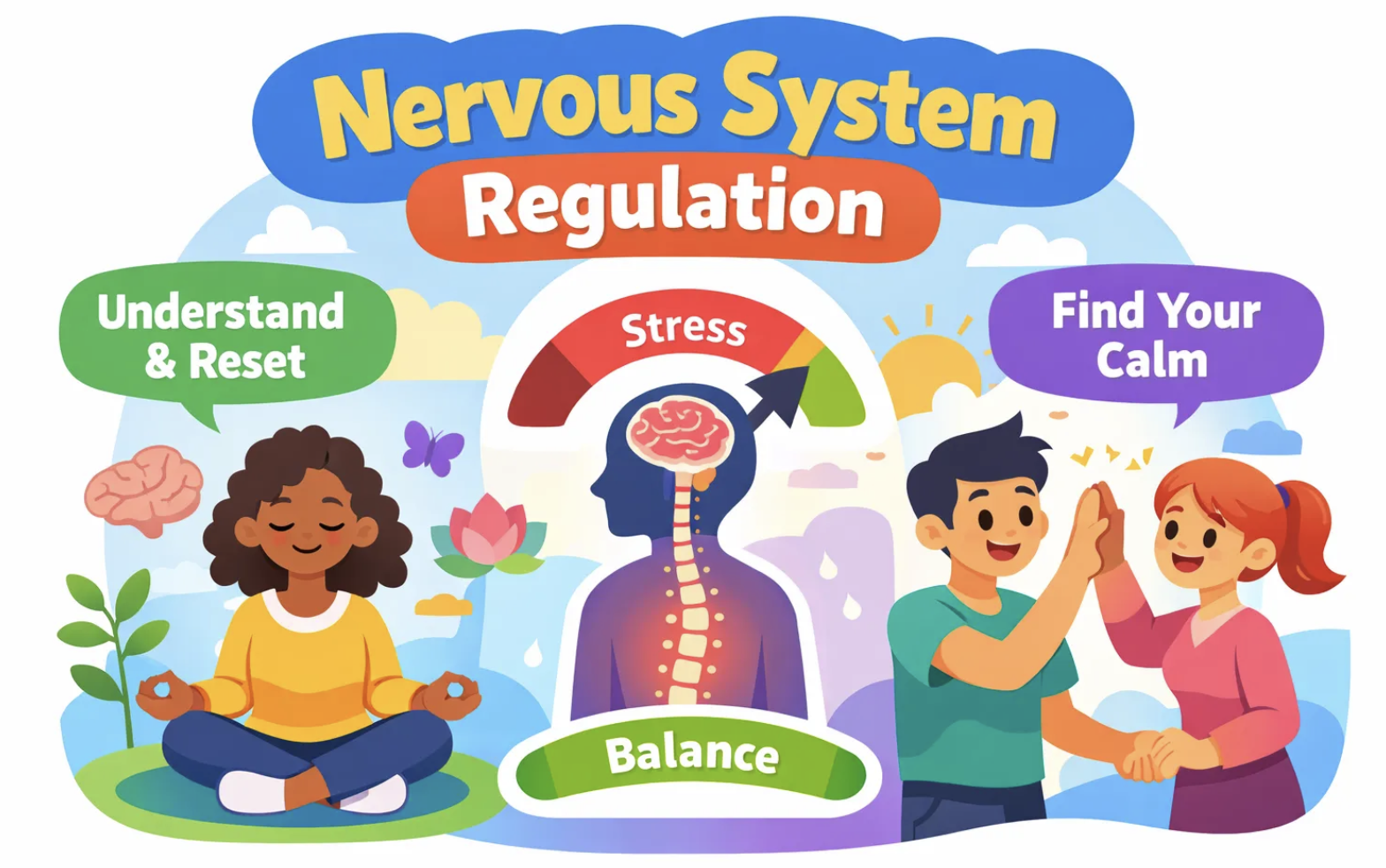
Nervous system regulation: what it means and how to reset
You snap at someone you love over something small. You go completely blank in an important meeting. You lie awake at 2am, replaying a conversation from six days ago. That's not a character flaw, and it's not a reflection of how much you care or how capable you are. Nervous system regulation explains what's actually happening: your autonomic nervous system is doing precisely what it was designed to do, and it needs a reset.
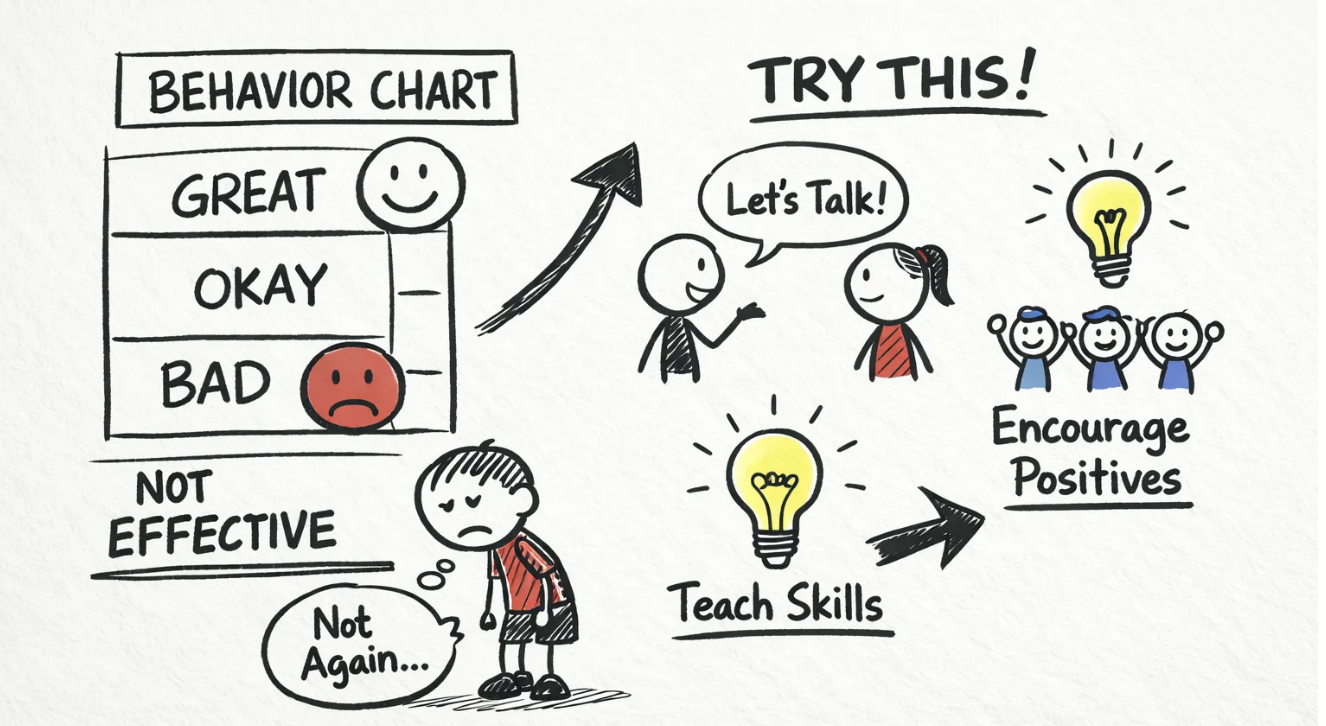
Why behaviour charts backfire (and what to use instead)
Picture Monday morning as a classroom teacher: you’ve set up the behaviour chart on the wall with fresh colours and clear expectations. By Thursday, the same two or three pupils have a column of red marks. The rest of the class barely glances at it. By Friday, nothing has changed—except the tension in the room—and those pupils now carry a visible record of failure in front of their peers.
Here’s the uncomfortable truth: the chart isn’t failing because you’re applying it wrong. It’s failing because it’s a compliance tool deployed in the middle of a regulation problem. Under stress, the skills pupils need for “good behaviour” (executive function) dip—so consequences don’t land mid‑dysregulation. Add public tracking (shame/social threat) and you often get escalation or shutdown, not learning.
If you want behaviour to change, the sequence matters: Regulate → Relate → Reason. Make corrections private. Co‑regulate before redirecting. Build predictability into transitions. Repair after the moment—accountability without humiliation.
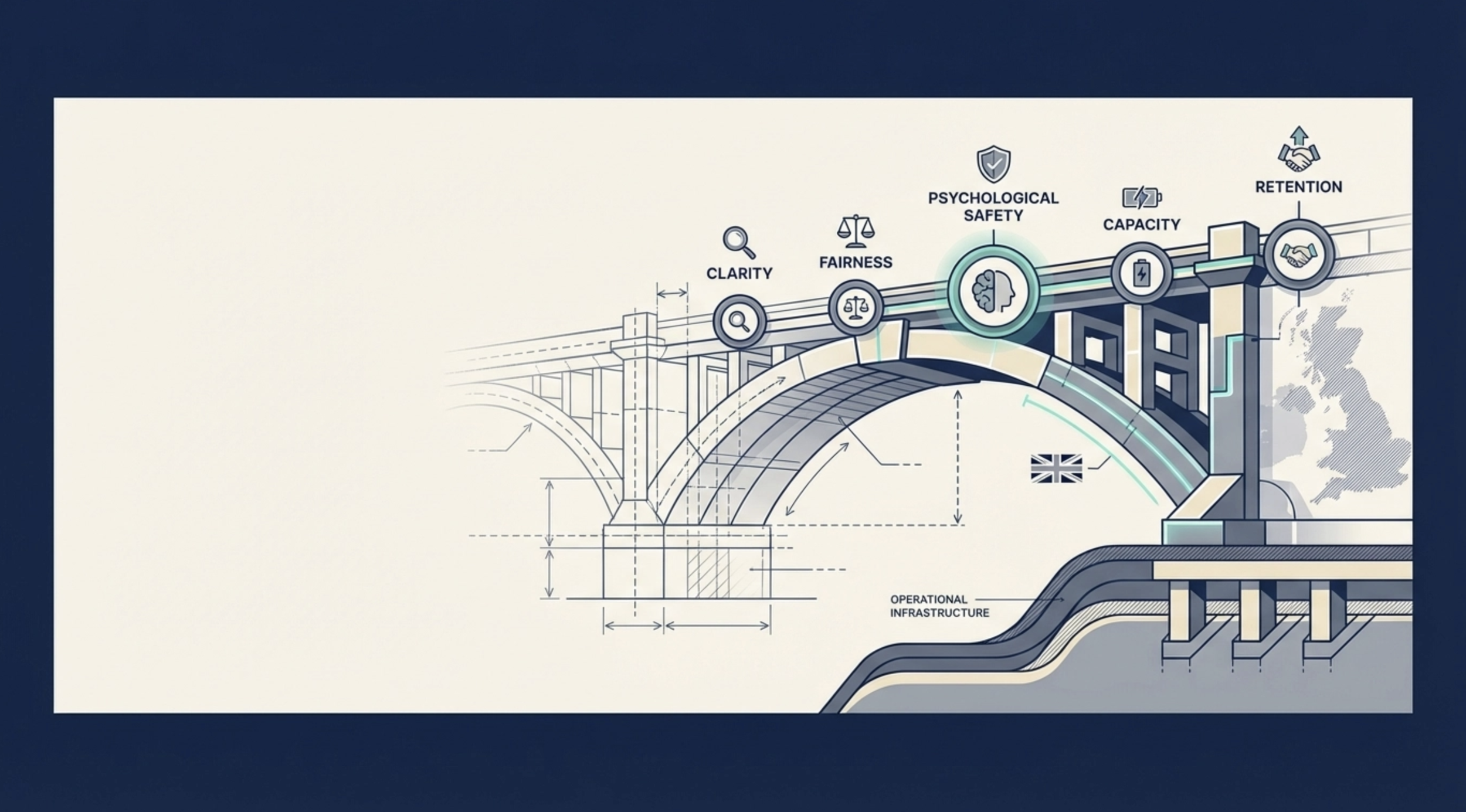
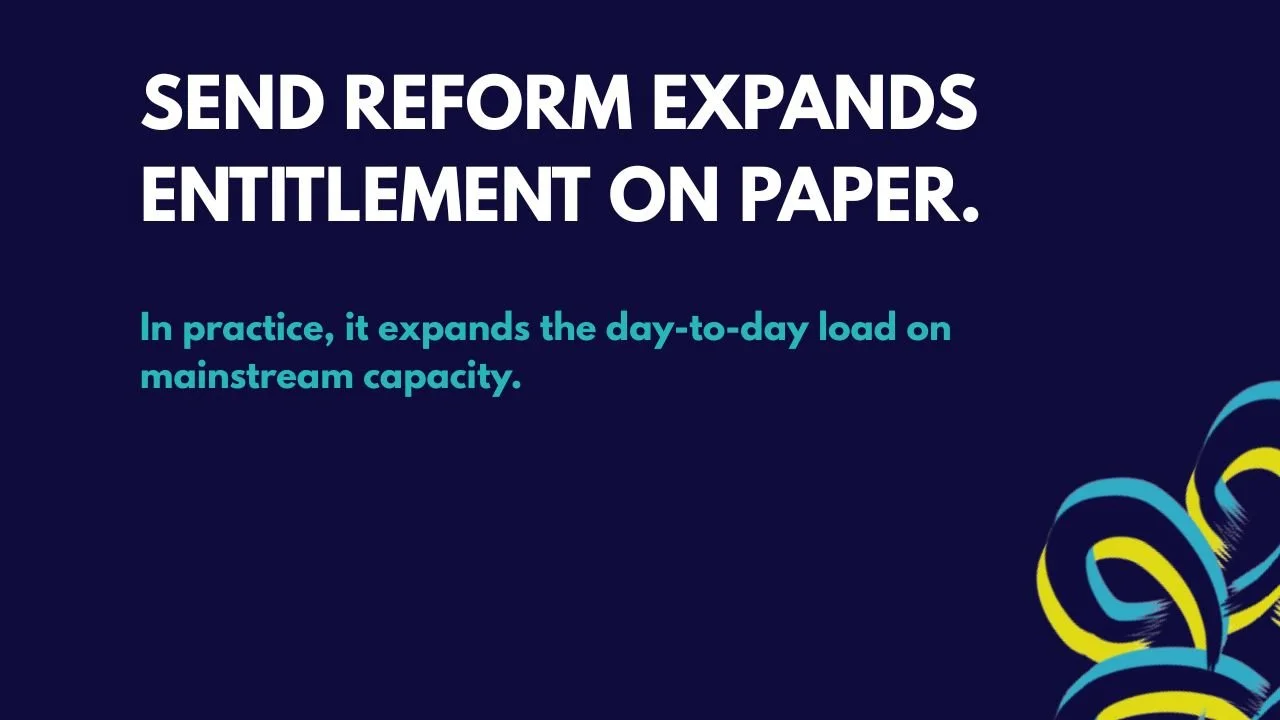
SEND reform expands entitlement on paper. In practice, it expands the day-to-day load on mainstream capacity.
SEND reform is expanding entitlement on paper, but the real shift is mainstream capacity. Here are the three structural changes Trust leaders must design for now.
Beyond the Resilience Trap
Executive Summary
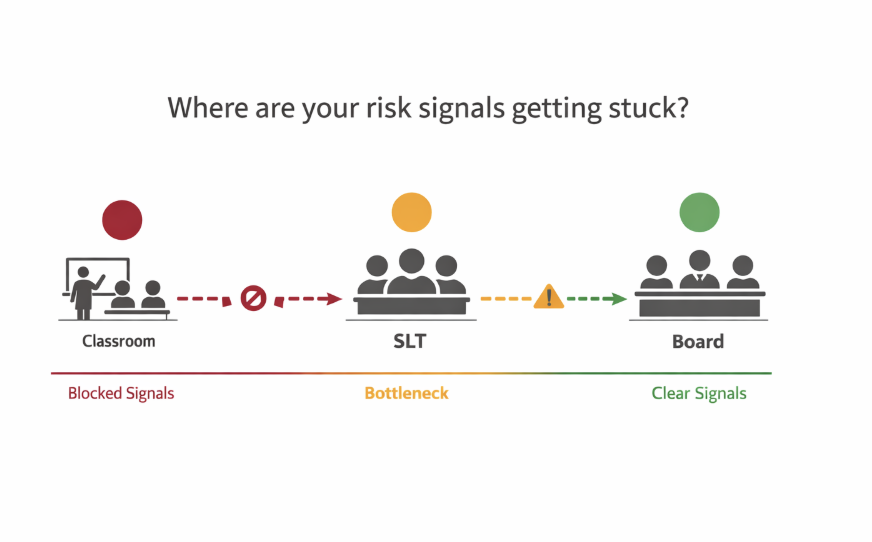
After a MAT acquisition, Riverside implemented EAPs, resilience training, surveys and exit interviews, yet turnover increased sharply and a safeguarding near-miss exposed a risk-signal failure. AmbiSense identified four structural fractures and used a Schwartz-informed reflective diagnostic to restore safeguarding signal flow, workforce stability and leadership capacity.
Choose your route:
™️
S
Support
Strategy & People
Assess strategic and people needs
E
Educate
Emotional Linguistic Education
Neuro-affirmed Trauma informed language
N
Nurture
Nurturing Relations
1:1 support where it’s needed most.
S
Share
Sharing Safely
Facilitated safety to share
E
Evaluate
Evaluate Progress
Monitor and evidence the impact in your setting.
AmbiSense®️ does not promise an environment without pressure.
It helps build systems that respond to pressure more predictably, humanely and effectively.