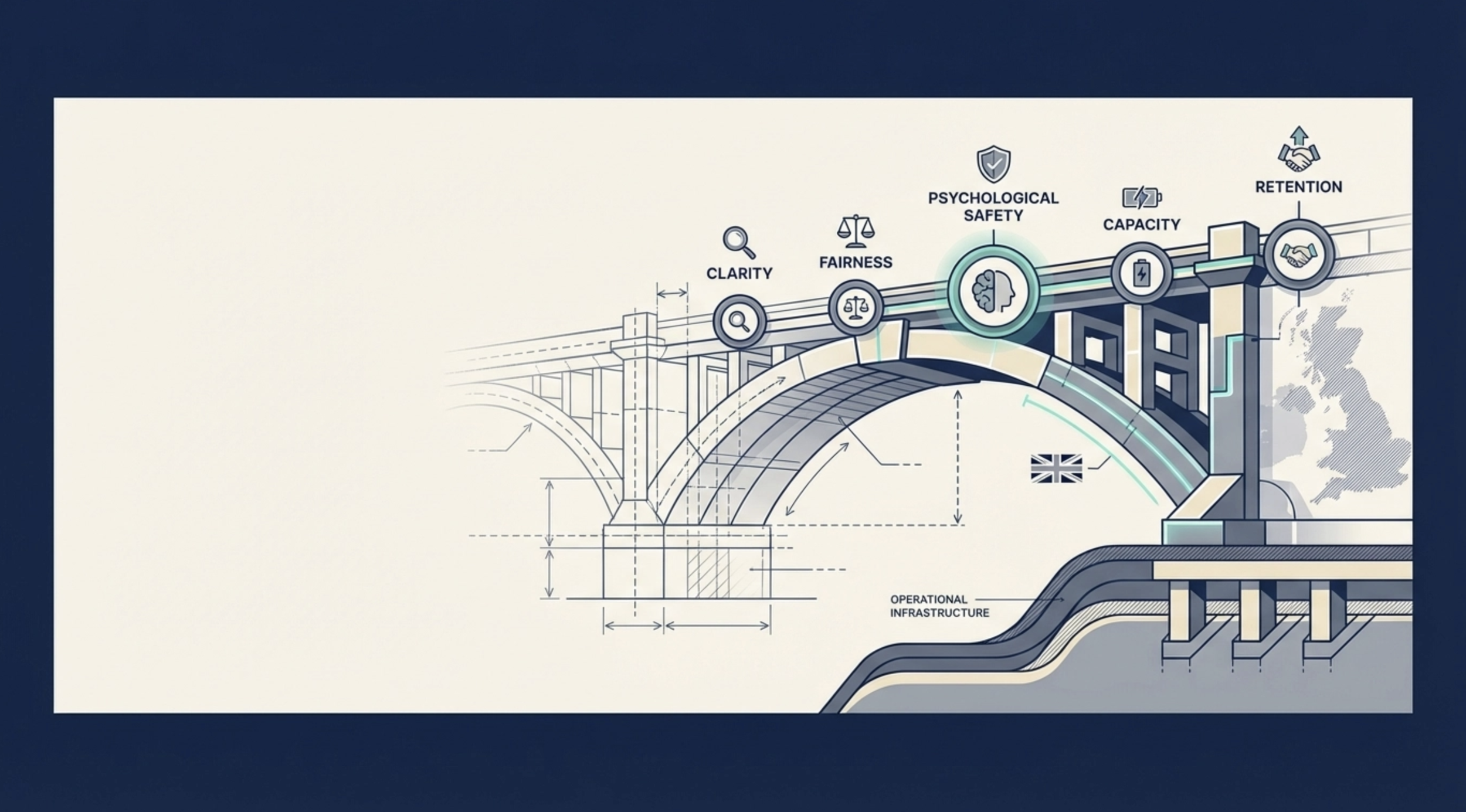
Rising Needs Need More Than a Quick Fix (2026/27): The AmbiSense Infrastructure Approach
Rising need isn’t a “more support” problem, it’s a consistency under strain problem. When the same hot windows break every day (arrivals, corridors, changeovers, re-entry), the cost shows up fast: lost learning time, higher safeguarding volume, and senior bandwidth pulled into the same incidents.
For 2026/27, the question isn’t “what intervention do we buy?” it’s: what do we install so inclusion holds, even under pressure?

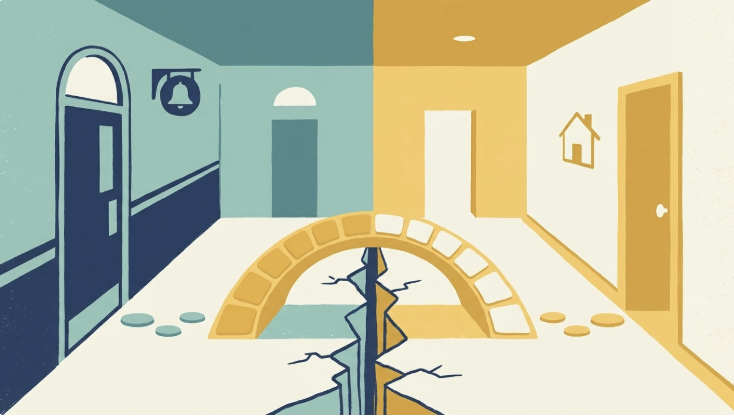
Separation is common. Mediation isn’t the job. Stability is.
When parents separate, school often becomes the steadiest place in a child’s week. Here’s what “staying steady” looks like in practice, with clear boundaries and phrases that protect children and reduce pressure on staff.
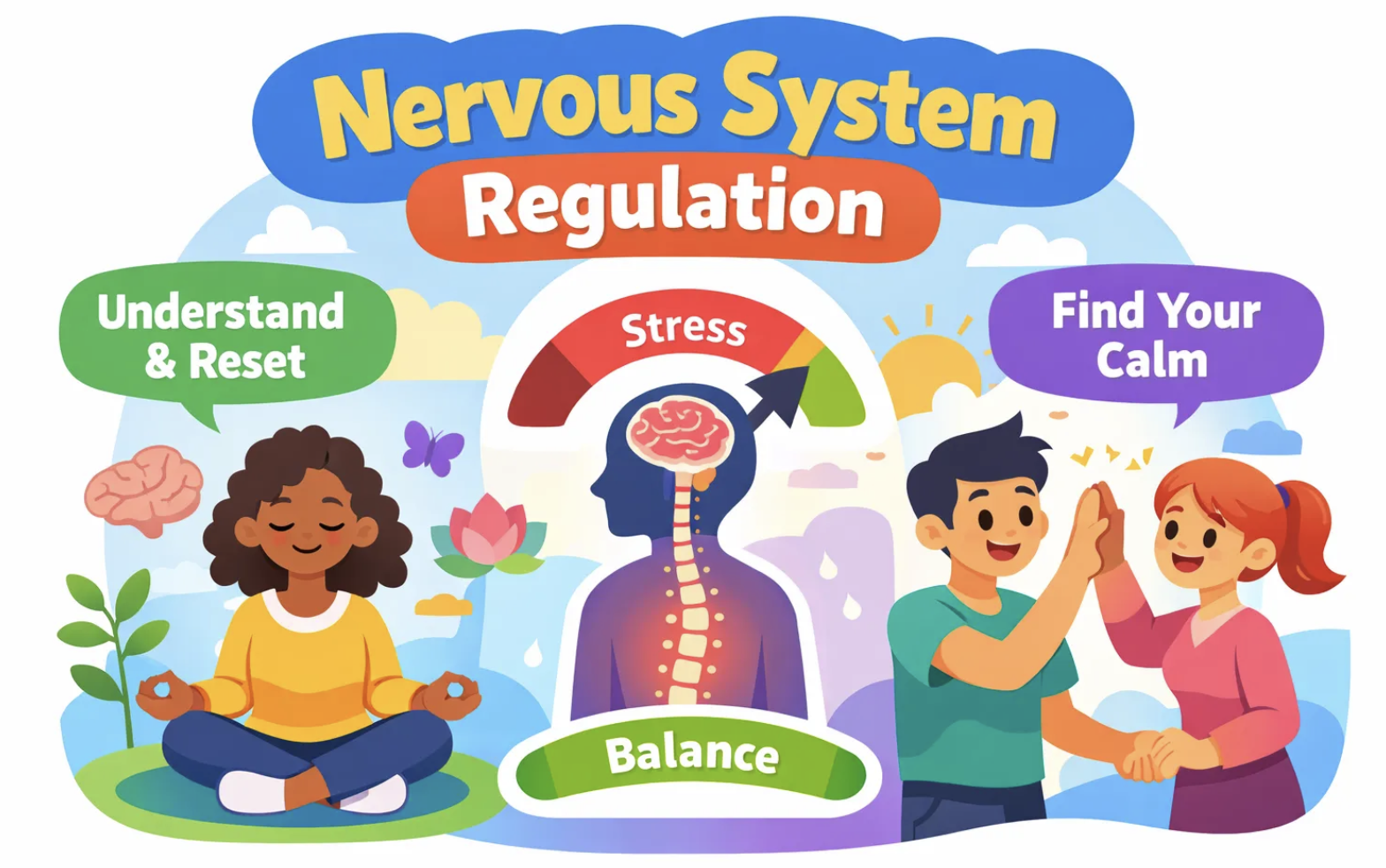
Nervous system regulation: what it means and how to reset
You snap at someone you love over something small. You go completely blank in an important meeting. You lie awake at 2am, replaying a conversation from six days ago. That's not a character flaw, and it's not a reflection of how much you care or how capable you are. Nervous system regulation explains what's actually happening: your autonomic nervous system is doing precisely what it was designed to do, and it needs a reset.
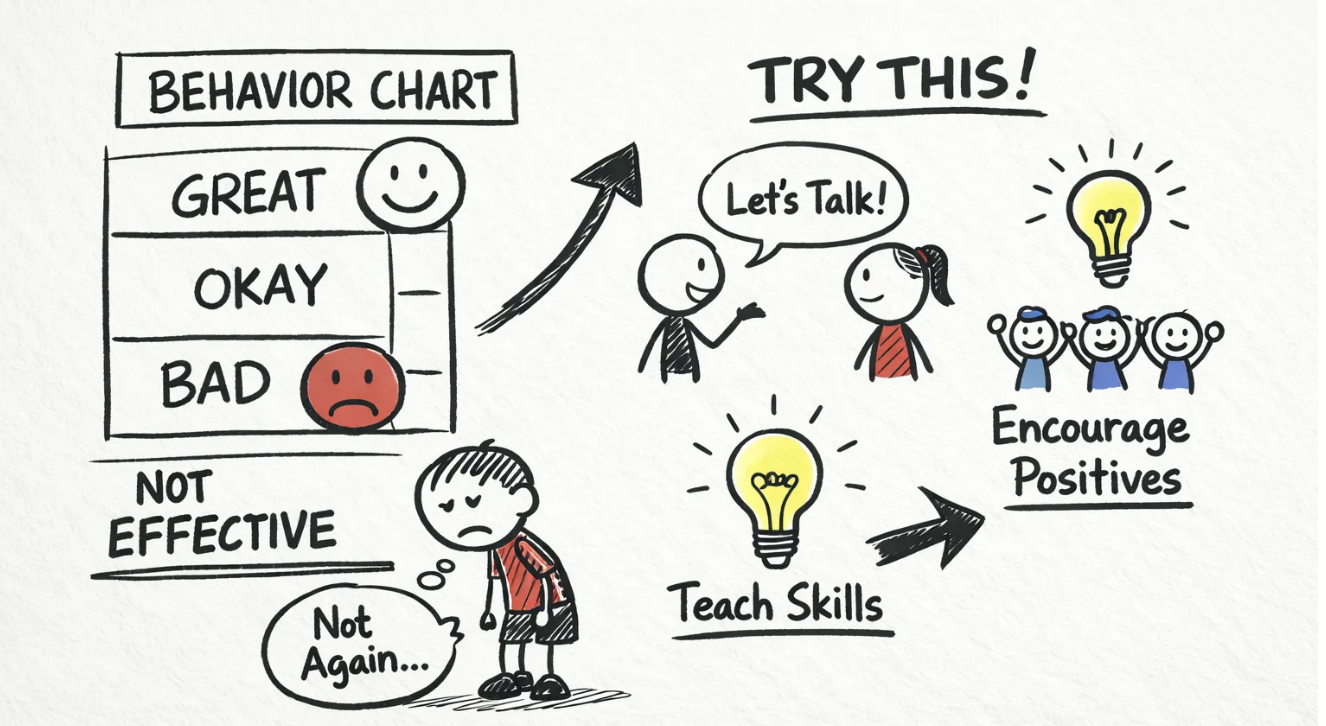
Why behaviour charts backfire (and what to use instead)
Picture Monday morning as a classroom teacher: you’ve set up the behaviour chart on the wall with fresh colours and clear expectations. By Thursday, the same two or three pupils have a column of red marks. The rest of the class barely glances at it. By Friday, nothing has changed—except the tension in the room—and those pupils now carry a visible record of failure in front of their peers.
Here’s the uncomfortable truth: the chart isn’t failing because you’re applying it wrong. It’s failing because it’s a compliance tool deployed in the middle of a regulation problem. Under stress, the skills pupils need for “good behaviour” (executive function) dip—so consequences don’t land mid‑dysregulation. Add public tracking (shame/social threat) and you often get escalation or shutdown, not learning.
If you want behaviour to change, the sequence matters: Regulate → Relate → Reason. Make corrections private. Co‑regulate before redirecting. Build predictability into transitions. Repair after the moment—accountability without humiliation.