
One Operating System
Families. Schools. Workplaces.
The HRologist. helps schools, families and organisations reduce emotional friction before it becomes escalation, absence, conflict or burnout.
If you are here because behaviour, attendance, conflict or capacity keeps breaking down in the same places, start here.
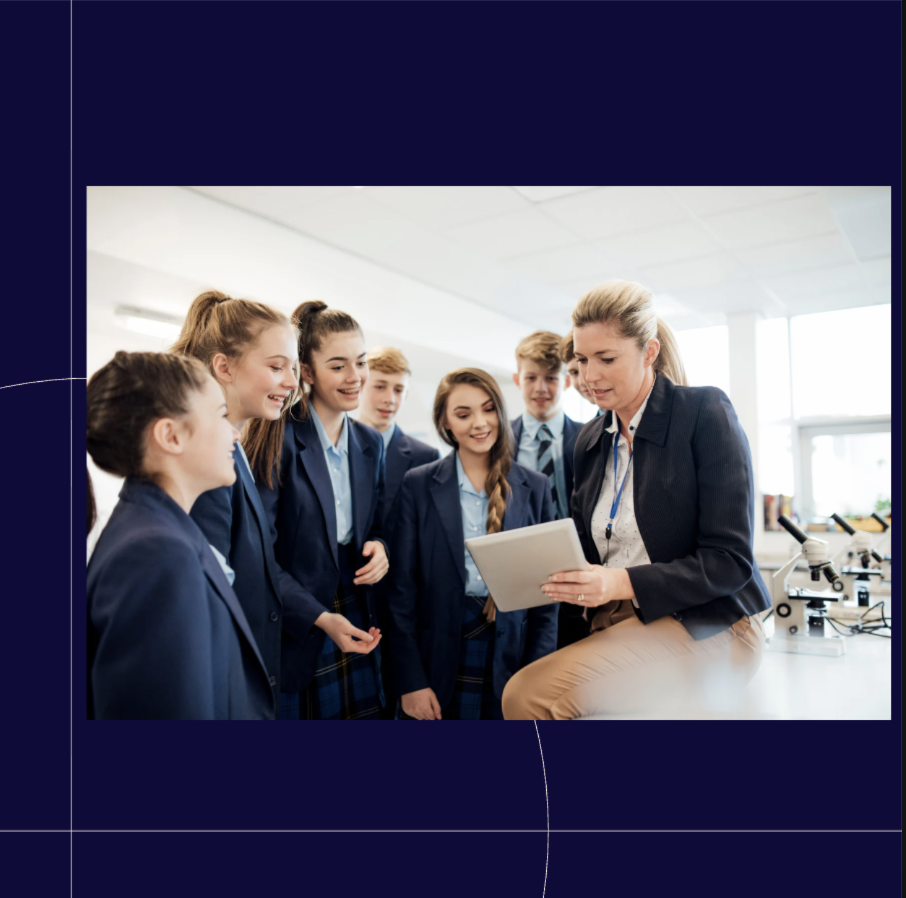
Phone Ban in Schools: Why Behaviour Won’t Shift Until We Rebuild Regulation (A Trust Playbook)
Phone bans remove the device - not the dysregulation. Here’s the SLT/MAT playbook to rebuild regulation at thresholds (arrival, corridors, changeovers) so behaviour actually shifts.
The UK Doesn’t Have a Productivity Crisis. It Has a Nervous System Crisis.
I’ve spent almost three decades watching organisations search for new ways to “fix” productivity.
New systems. New policies. New initiatives.
And yet — the same problem keeps resurfacing.
Not because people aren’t capable.
Not because they aren’t skilled.
But because their nervous systems are exhausted.
We talk about performance as if it’s a mindset.
But before mindset comes biology.
Before engagement comes safety.
You can’t innovate in a threat state.
You can’t collaborate when you’re masking.
And you can’t ask humans to operate beyond capacity and then call it a productivity crisis.
If we want better outcomes, we don’t need another policy.
We need to understand the thing we’ve ignored for far too long:
Emotional safety isn’t a “soft skill”.
It’s the operating system everything else depends on.

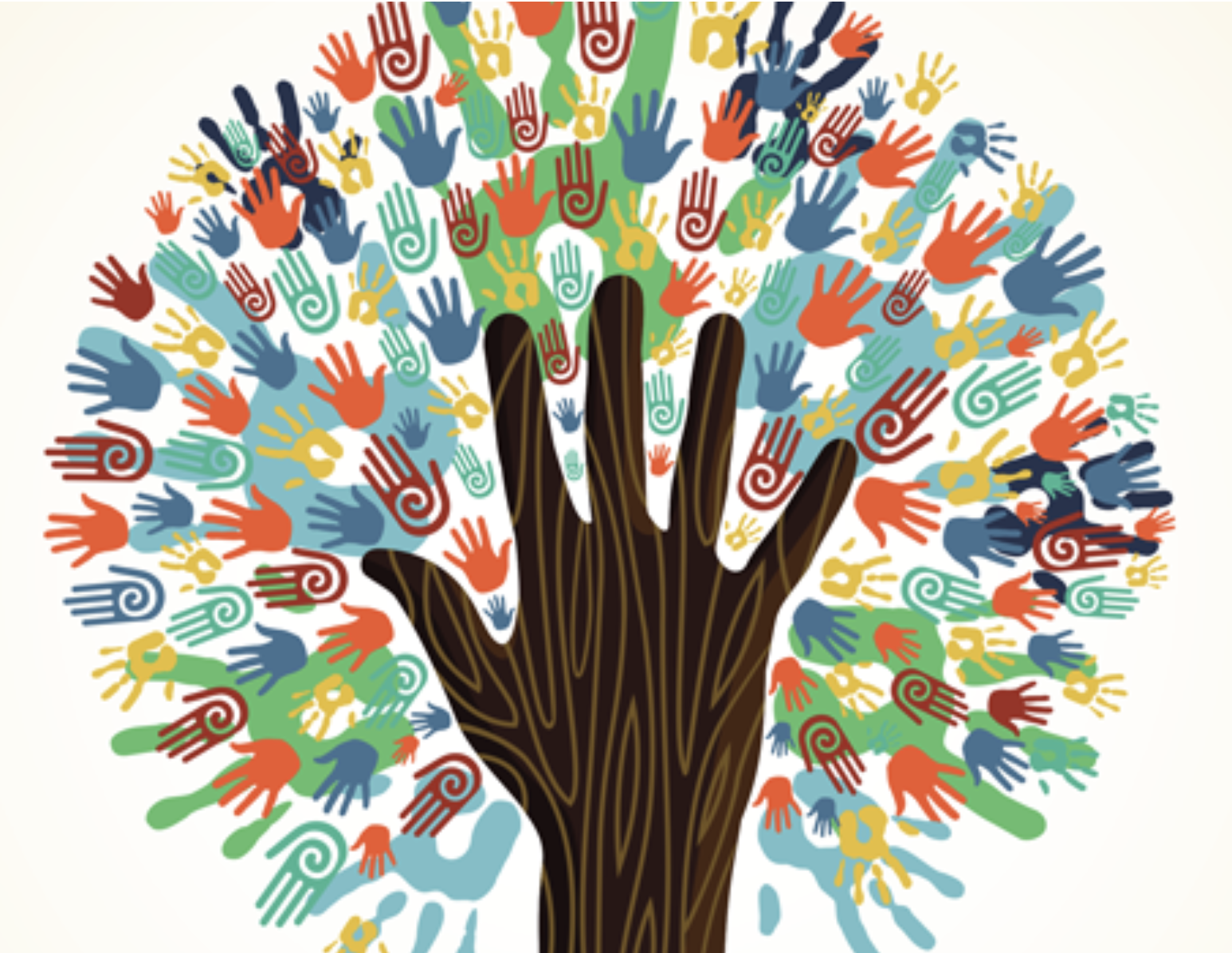
The Hidden Driver of Success: Why Emotional Learning Outperforms More Homework - Making SENSE.
The first time my son’s teacher told me, “He’s bright, but he just can’t focus,” I remember thinking — that’s not a behaviour problem, that’s a stress problem.
Every day, children walk into classrooms carrying invisible backpacks — filled with worry, overstimulation, and self-doubt. Yet we still measure success only by test scores, forgetting that emotion is the engine of cognition.
When students feel safe, their brains switch from survival to learning. When they feel seen, they engage. And when they learn to name it to tame it, they build emotional literacy that lasts far beyond exams.
Social-Emotional Learning isn’t a soft skill — it’s a survival skill. It’s the neuroscientific foundation of focus, motivation, and resilience.
That’s why I created the SENSE Framework — to bridge home, school, and leadership through emotional safety and connection. Because when we support before we perform, we all thrive.
If you’re tired of chaos — start small.
💌 Get 12 Days of Simple Calm — free daily actions to help families and schools reconnect.
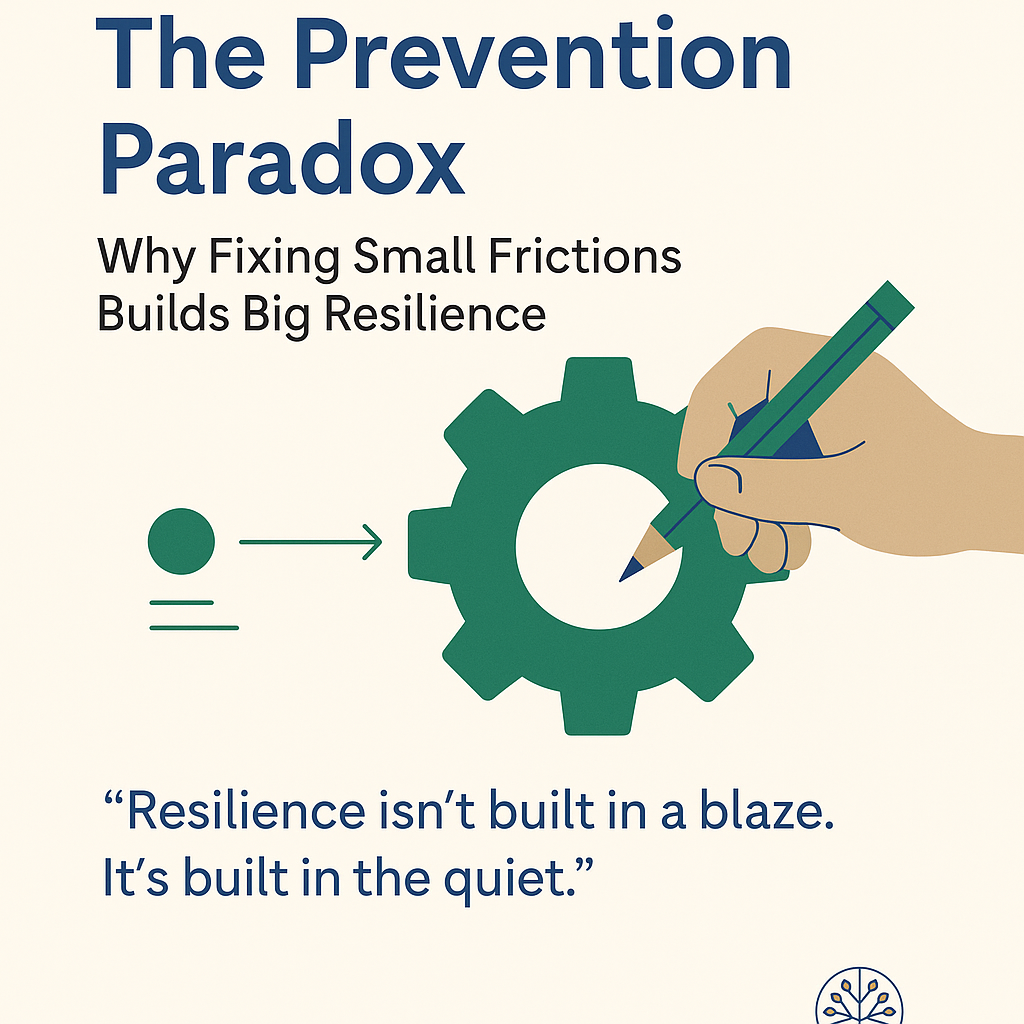
The Prevention Paradox: Why Fixing Small Frictions Builds Big Resilience
We often rush to fix crises once they explode — but real resilience starts earlier.
The Prevention Paradox shows that small, consistent actions in families, schools, and workplaces prevent burnout, build trust, and create calm long before things go wrong.
Choose your route:
™️
S
Support
Strategy & People
Assess strategic and people needs
E
Educate
Emotional Linguistic Education
Neuro-affirmed Trauma informed language
N
Nurture
Nurturing Relations
1:1 support where it’s needed most.
S
Share
Sharing Safely
Facilitated safety to share
E
Evaluate
Evaluate Progress
Monitor and evidence the impact in your setting.
AmbiSense®️ does not promise an environment without pressure.
It helps build systems that respond to pressure more predictably, humanely and effectively.