

Your child isn't refusing school. They may be overloaded.
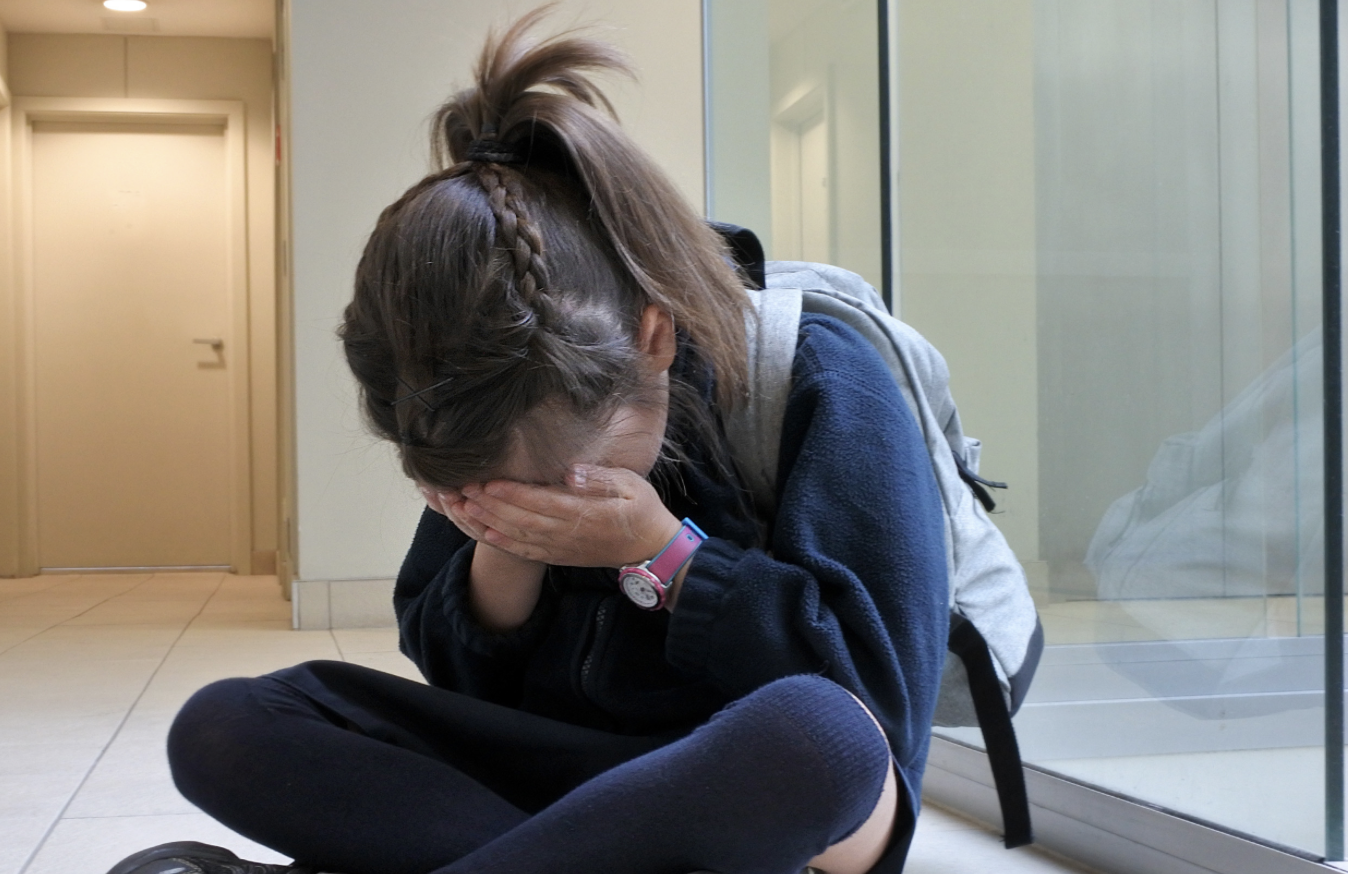
If mornings in your house have become a battle. the refusal, the tears, the shouting, the child who simply cannot get through the school gate, you are not alone, and you are not failing.
Right now, more children are struggling to attend school than at any point in recent memory. And behind almost every one of those mornings is a family carrying far more than anyone at the school gate can see.
This is what is really happening and what actually helps.
The numbers behind your mornings
This is not just your family. The national picture has shifted:
Severe absence is at a record high. 176,361 children in England missed at least half of school last year — almost triple the 60,247 before the pandemic (DfE)
Nearly 1 in 5 pupils are now persistently absent — roughly double the pre-2020 rate (DfE, August 2026)
Support plans for children with additional needs rose 12.5% in a single year — the biggest rise since they were introduced (DfE, January 2026)
The Education Committee told the government this summer that the absence crisis needs better mental health and SEND support — not just enforcement
If your child is one of these numbers, notice what the data is quietly saying: this is not a discipline problem spreading through Britain's homes. It is distress, repeating in predictable places.
The reframe: it isn't refusal. It's load.
When a child can't go to school, or holds it together all day and falls apart at home, the question most parents get asked, by school, by family, by themselves at 2am, is some version of:
“How do we make them go?”
There is a better question:
“What is this costing them and where is the pressure actually coming from?”
A child who is overloaded is not giving you a hard time. They are having a hard time. The behaviour is the signal, not the whole story. Your child may not be refusing, they may be overloaded. And state first, story later: nobody can reason, plan or cope while their nervous system is in alarm.
This doesn't mean lowering every expectation or giving up on school. It means reading the signal accurately before deciding what to do next.
Every family has hot windows
In every family living this, there are hot windows — the predictable moments where pressure repeats:
The morning separation point - the doorway, the car, the gate
The after-school crash - the child who was “fine all day” and explodes by 4pm
The Sunday-night dread that starts before the weekend is over
The homework standoff that was never really about homework
The screen-time battle that is actually decompression after masking all day
September does not create these moments. It reveals where the system — school and home together - is already thin.
You do not fix a hot window with more force, more charts or more guilt.
You build a Calm Bridge™: a small, repeatable routine that makes the hardest moment of the day safer and more predictable, for your child and for you.
One moment. Not the whole system.
What to do before September
Notice the pattern. Where does it keep breaking down — and what happens just before? That is your hot window.
Lower the load at that moment first. Not everywhere. Just there. Fewer words, less demand, more predictability.
Repair after, not during. The conversation about what happened works better when everyone is calm — sometimes hours later, sometimes the next day.
Tell school what you've noticed. "We've noticed mornings after disrupted sleep are the hardest" is more useful to a SENCO than "they won't come in" — and it starts a different conversation.
If you want words for the hardest moments, I have a free set of de-escalation scripts the actual sentences to use when your child is tipping over, and what to avoid saying: Get the de-escalation scripts →
If your family keeps breaking down in the same place and you want help building a bridge for it, that is exactly what I do. Reply to this email or message me — a short conversation is the starting point. You're not failing. You're firefighting without a map. Let's make the map.
Naomi Withers is the founder of AmbiSense® (The HRologist Ltd), helping families, schools and workplaces identify repeated pressure points and build human-fit pathways that reduce overwhelm and restore trust. A BPS-accredited psychology graduate and CIPD Level 7 practitioner — and a parent of five, with lived experience of neurodivergence, school avoidance and the mornings nobody posts about.
