

One Operating System
SENSE™️ Families. Schools. Workplaces.
The HRologist. helps schools, MAT’s, families and organisations, reduce friction before it becomes a repeated pressure point.
If you are here because behaviour, attendance, conflict or capacity keeps breaking down in the same places, start here.


Your child isn't refusing school. They may be overloaded.
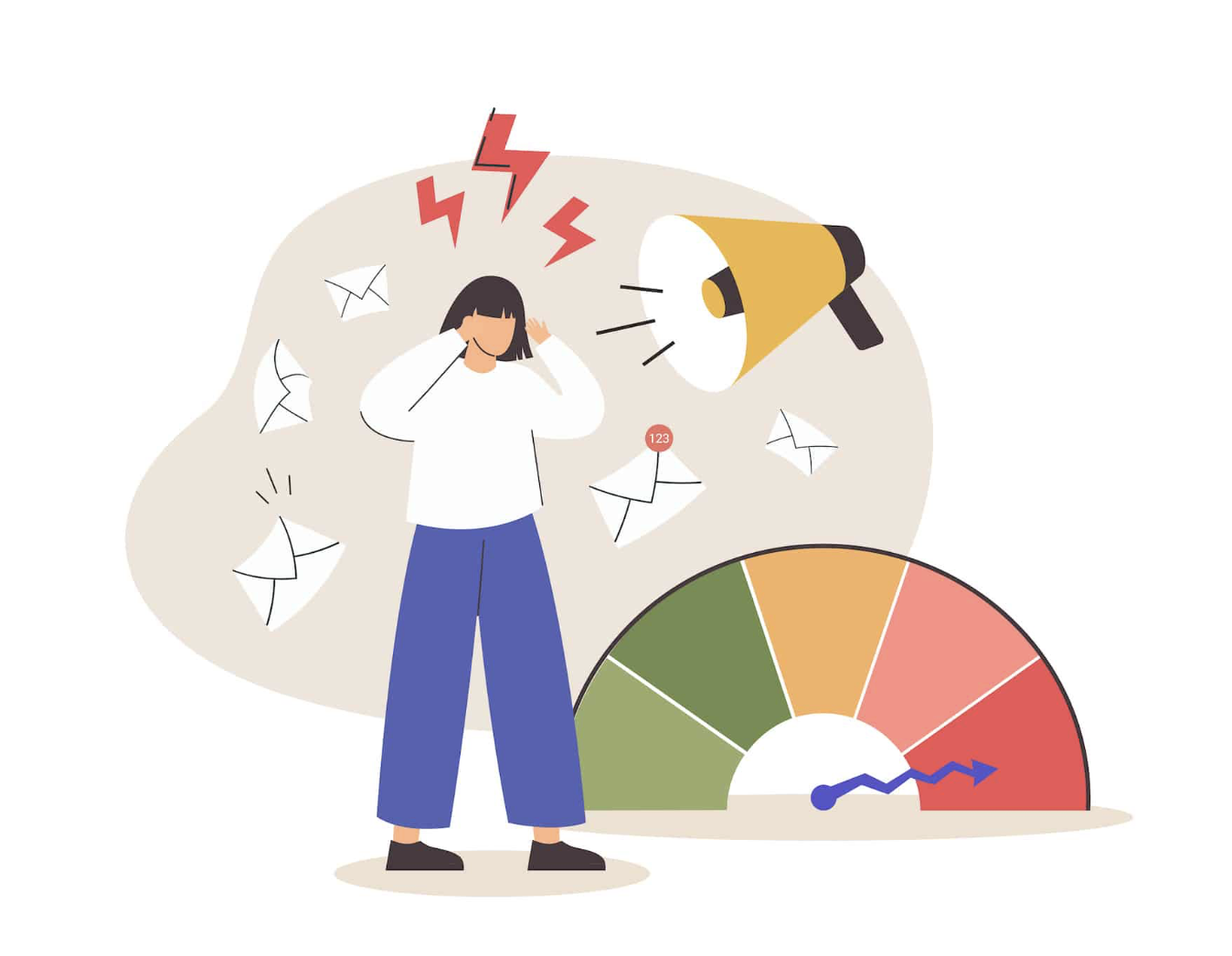
If your child won't go to school, melts down most mornings or falls apart after school, it may be school distress — not refusal.
With emotionally based school avoidance (EBSA) and persistent absence at record levels in 2026, here's what the figures really mean for neurodivergent children and their families and how to build a calmer bridge for the hardest moment of your day.
Evidencing inclusion from September 2026: what Ofsted will actually ask schools to show
From September 2026, Ofsted will ask school leaders to show how repeated inclusion pressure points were noticed, decided, changed and tracked - not just what was written down. Here's what the new toolkit actually expects, and three moves to make before term starts.

Attachment, Neurodivergence and Trust: A Critical Analysis of Bowlby, Ainsworth and the Commercial Relevance of the AmbiSense® Model
Attachment theory helps explain how trust is built through repeated experiences of safety, consistency and repair. Bowlby’s concept of internal working models shows how early relationships can shape a person’s expectations of self, others and the wider world. Ainsworth’s Strange Situation research then gave attachment theory an observable framework for understanding secure and insecure patterns of attachment.
However, attachment theory must be applied critically, especially when considering neurodivergence. Neurodivergent people can and do form secure attachments, but their route to felt safety may require more sensory-aware, communication-aware and predictable environments. Trust difficulties may therefore reflect not only early relational experience, but also repeated misattunement, masking demands, sensory overload and systems that fail to fit the person.
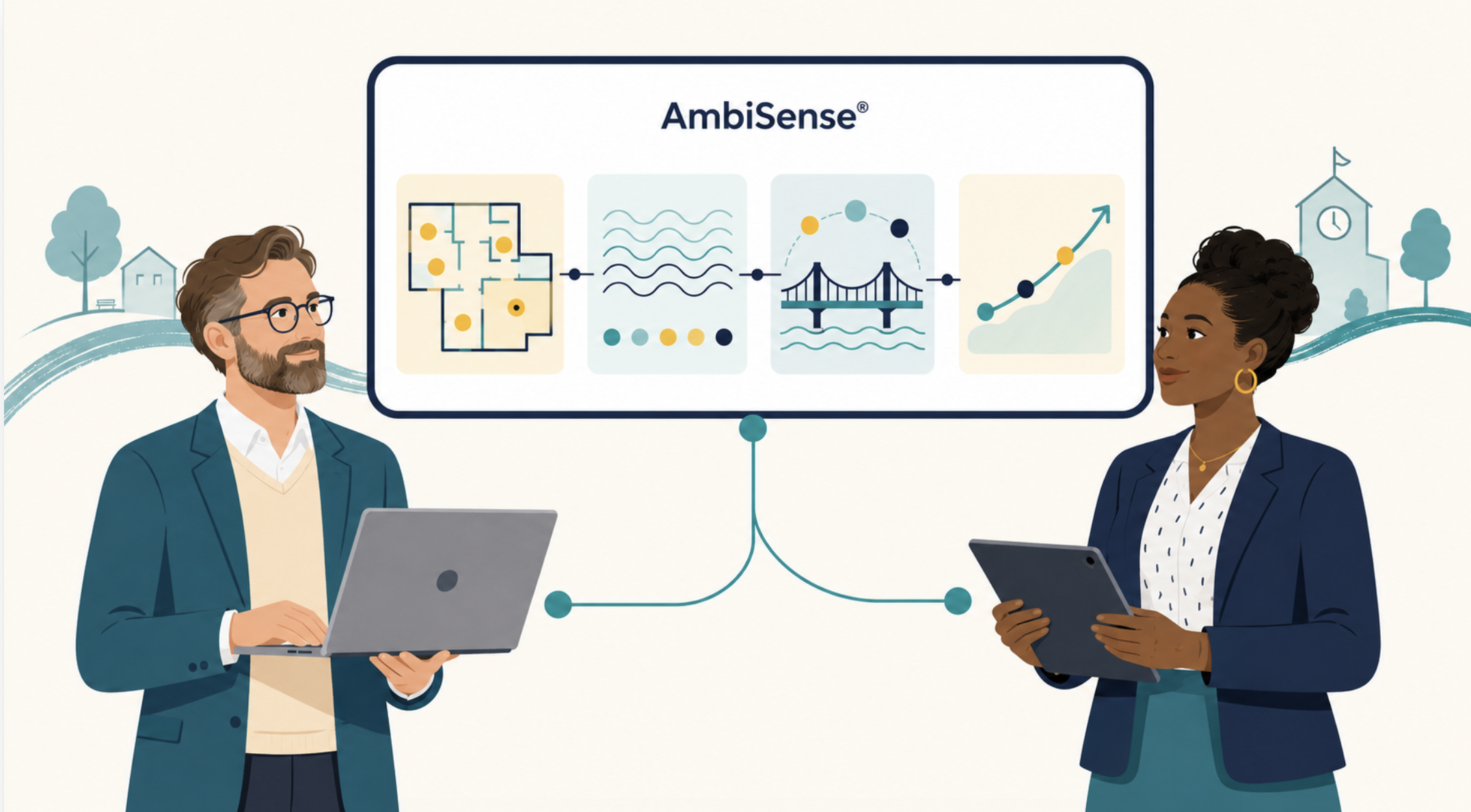
The AmbiSense® model translates this theory into practical emotional infrastructure. It helps families, schools and workplaces identify repeated pressure points, build Calm Bridges™, and track whether trust, safety and functioning improve over time.
Choose your route:
™️
S
Support
Strategy & People
Assess strategic and people needs
E
Educate
Emotional Linguistic Education
Neuro-affirmed Trauma informed language
N
Nurture
Nurturing Relations
1:1 support where it’s needed most.
S
Share
Sharing Safely
Facilitated safety to share
E
Evaluate
Evaluate Progress
Monitor and evidence the impact in your setting.
AmbiSense®️ does not promise an environment without pressure.
It helps build systems that respond to pressure more predictably, humanely and effectively.