
One Operating System
Families. Schools. Workplaces.
The HRologist. helps schools, families and organisations reduce emotional friction before it becomes escalation, absence, conflict or burnout.
If you are here because behaviour, attendance, conflict or capacity keeps breaking down in the same places, start here.
Psychological Safety in Schools: A Practical, Whole‑School Approach for Leaders and Parents
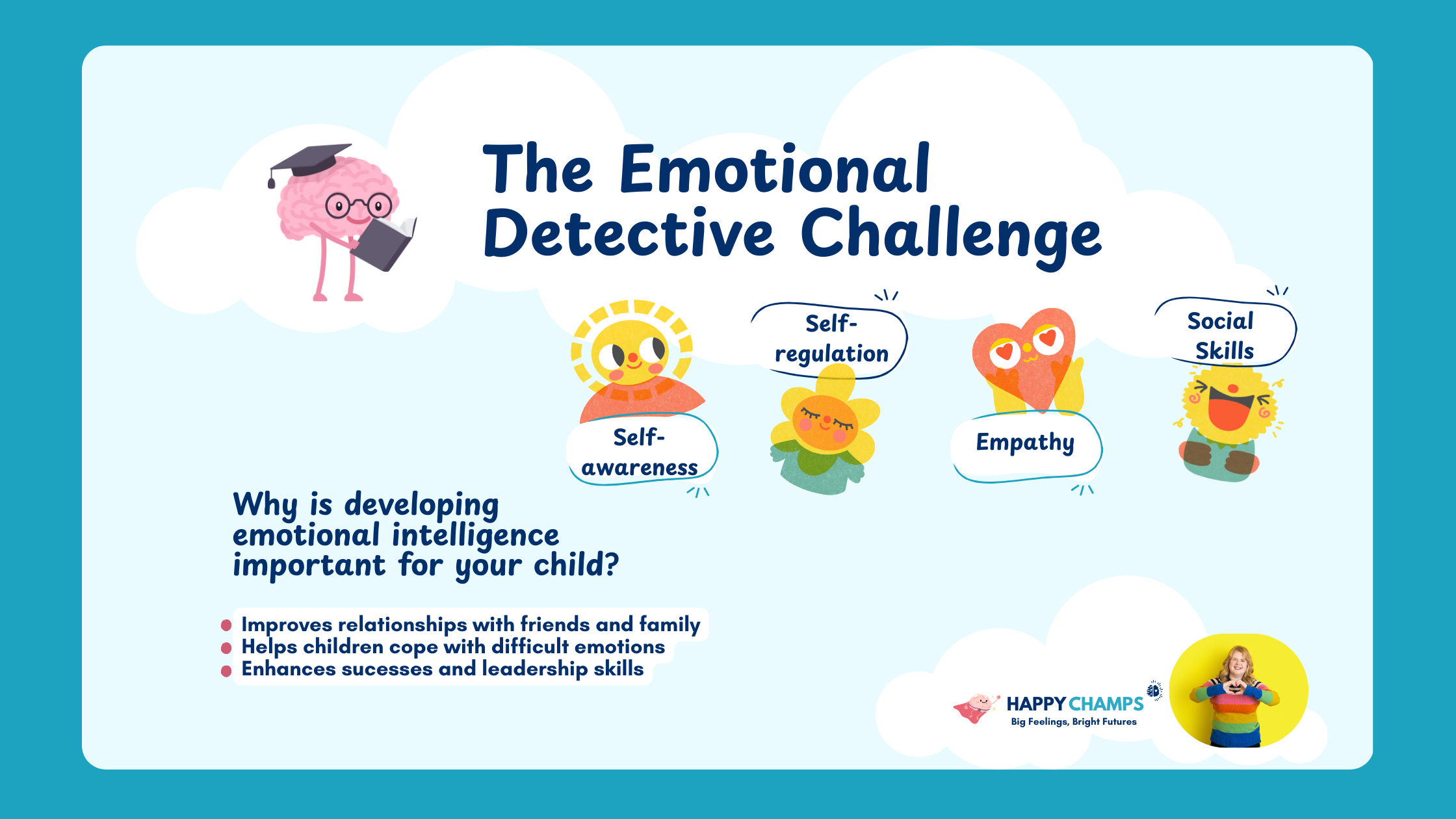
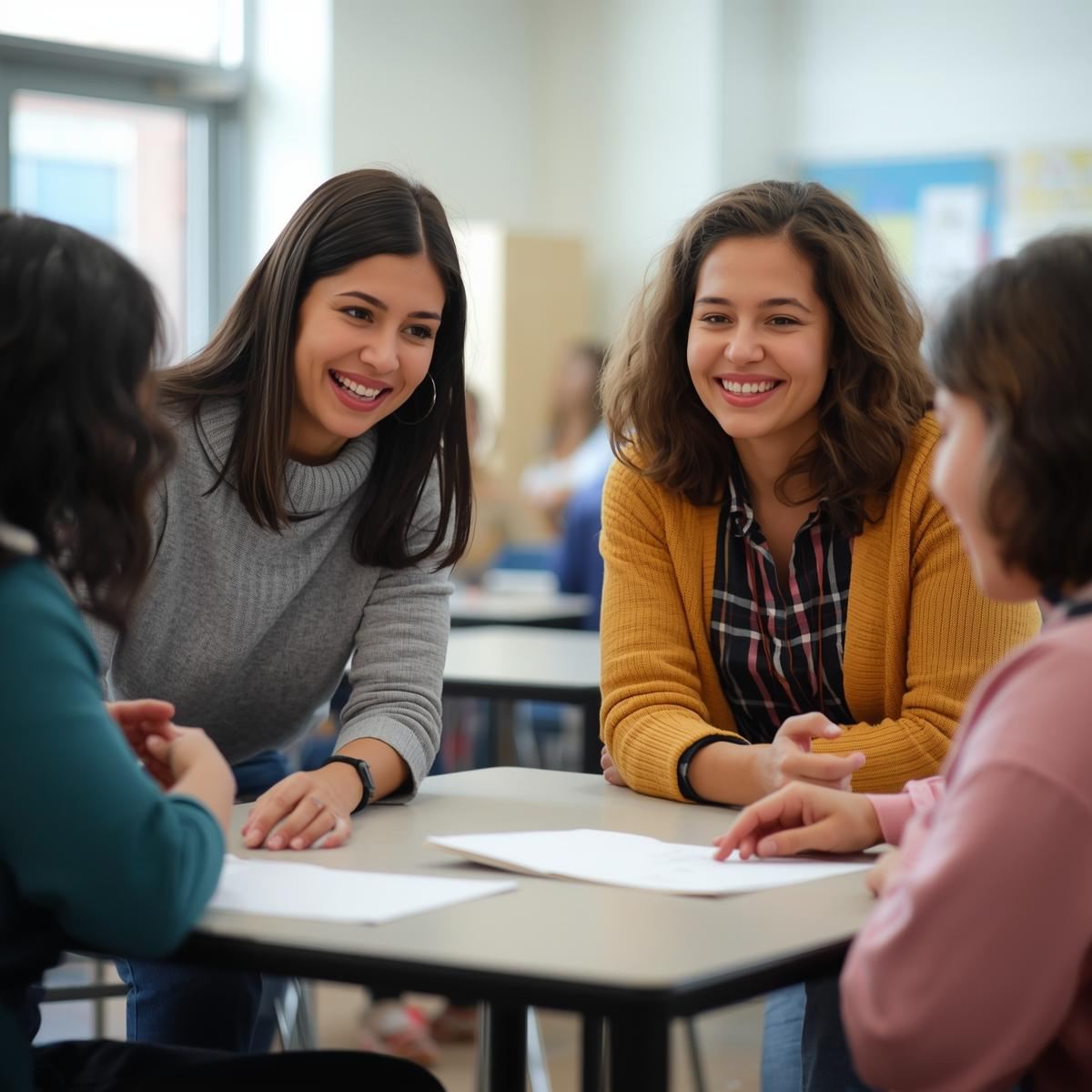
Psychological safety isn’t a “nice to have” in schools; it is the foundation for calm classrooms, staff wellbeing, and consistent behaviour. AmbiSense equips leaders and staff with predictable, emotionally intelligent practices that reduce escalation and reclaim teaching time. HappyChamps complements this at home, coaching parents to notice, name, and navigate emotions so children arrive better regulated and ready to learn. When home and school share simple language and micro‑routines for check‑ins, regulation, and repair, incidents fall, recovery is faster, and leaders gain back time for teaching and culture. In 8–12 weeks, schools typically see fewer disruptions, quicker de‑escalation, improved confidence, and clearer Ofsted evidence across Behaviour and Personal Development.

Why Mornings Are So Hard (and How to Make Them Better)
Why Are Mornings With Kids So Hard?
If your morning involves a daily battle over getting dressed, choosing shoes, or leaving the house, you're not alone. For many parents, the hours between wake-up and get-out-the-door are the most stressful of the day. You might be wondering if you have a "difficult child" or what you're doing wrong, but the truth is, this struggle is a normal part of child development.
The key to transforming difficult mornings with your kids isn't about more discipline; it's about understanding their developing brains. Here are five simple, evidence-backed strategies to end the morning battles and create a calm morning routine for your family.
1. Create Rock-Solid Predictability
A young child's brain is still developing the skills needed for planning and focus. A sequence of tasks like "get dressed, eat, then brush teeth" can feel overwhelming.
The Fix: A consistent toddler morning routine is essential. Do the same things in the same order every single day. The best tool for this is a visual schedule for kids. A simple chart with pictures makes the routine concrete, reduces their anxiety, and empowers them to know what's next without you having to nag.
2. Fill Their Connection Cup First
Before you can expect cooperation, your child needs to feel connected to you. Morning resistance is often a subconscious plea for connection before they have to leave you for the day.
The Fix: Start the day with a five-minute snuggle. No agenda, no talk of the schedule—just warmth and closeness. This one small act fills their "attachment cup" and makes them far more secure and ready to cooperate.
3. Sidestep Power Struggles with Choices
The constant "No!" isn't defiance, it's your child's core mission to develop a sense of independence. Power struggles with toddlers erupt when this fundamental drive is blocked.
The Fix: Offer two acceptable choices. "Red jumper or blue jumper?" "Shoes on before your coat or after?" This simple technique gives them the control they crave while ensuring the necessary tasks get done, preventing many tantrums in the morning.
Ready to Make Over Your Mornings?
Knowing the strategies is one thing, but putting them into action when you're tired and rushed is another. To make it easy, I’ve created a FREE Morning Rescue Kit just for you.
It includes a printable routine chart, sanity-saving scripts for what to say during a meltdown, and simple connection ideas to start your day with a smile, not a shout.

Choose your route:
™️
S
Support
Strategy & People
Assess strategic and people needs
E
Educate
Emotional Linguistic Education
Neuro-affirmed Trauma informed language
N
Nurture
Nurturing Relations
1:1 support where it’s needed most.
S
Share
Sharing Safely
Facilitated safety to share
E
Evaluate
Evaluate Progress
Monitor and evidence the impact in your setting.
AmbiSense®️ does not promise an environment without pressure.
It helps build systems that respond to pressure more predictably, humanely and effectively.