

One Operating System
Families. Schools. Workplaces.
The HRologist. helps schools, families and organisations reduce emotional friction before it becomes escalation, absence, conflict or burnout.
If you are here because behaviour, attendance, conflict or capacity keeps breaking down in the same places, start here.
The UK Doesn’t Have a Productivity Crisis. It Has a Nervous System Crisis.
I’ve spent almost three decades watching organisations search for new ways to “fix” productivity.
New systems. New policies. New initiatives.
And yet — the same problem keeps resurfacing.
Not because people aren’t capable.
Not because they aren’t skilled.
But because their nervous systems are exhausted.
We talk about performance as if it’s a mindset.
But before mindset comes biology.
Before engagement comes safety.
You can’t innovate in a threat state.
You can’t collaborate when you’re masking.
And you can’t ask humans to operate beyond capacity and then call it a productivity crisis.
If we want better outcomes, we don’t need another policy.
We need to understand the thing we’ve ignored for far too long:
Emotional safety isn’t a “soft skill”.
It’s the operating system everything else depends on.

🎃 How Halloween Can Teach Empathy
I wrote Gus the Ghost because so many of us grew up being told to “be brave”… but not how.
We learned to mask, to rush past feelings, to hold everything in until it spilled out.
Gus reminds children (and adults) that bravery isn’t about pretending we’re not scared — it’s about pausing long enough to notice what’s happening inside, and choosing kindness anyway.
That’s what emotional intelligence really is. Not perfection — just awareness, compassion, and growth. 💙

Why Mornings Are So Hard (and How to Make Them Better)
Why Are Mornings With Kids So Hard?
If your morning involves a daily battle over getting dressed, choosing shoes, or leaving the house, you're not alone. For many parents, the hours between wake-up and get-out-the-door are the most stressful of the day. You might be wondering if you have a "difficult child" or what you're doing wrong, but the truth is, this struggle is a normal part of child development.
The key to transforming difficult mornings with your kids isn't about more discipline; it's about understanding their developing brains. Here are five simple, evidence-backed strategies to end the morning battles and create a calm morning routine for your family.
1. Create Rock-Solid Predictability
A young child's brain is still developing the skills needed for planning and focus. A sequence of tasks like "get dressed, eat, then brush teeth" can feel overwhelming.
The Fix: A consistent toddler morning routine is essential. Do the same things in the same order every single day. The best tool for this is a visual schedule for kids. A simple chart with pictures makes the routine concrete, reduces their anxiety, and empowers them to know what's next without you having to nag.
2. Fill Their Connection Cup First
Before you can expect cooperation, your child needs to feel connected to you. Morning resistance is often a subconscious plea for connection before they have to leave you for the day.
The Fix: Start the day with a five-minute snuggle. No agenda, no talk of the schedule—just warmth and closeness. This one small act fills their "attachment cup" and makes them far more secure and ready to cooperate.
3. Sidestep Power Struggles with Choices
The constant "No!" isn't defiance, it's your child's core mission to develop a sense of independence. Power struggles with toddlers erupt when this fundamental drive is blocked.
The Fix: Offer two acceptable choices. "Red jumper or blue jumper?" "Shoes on before your coat or after?" This simple technique gives them the control they crave while ensuring the necessary tasks get done, preventing many tantrums in the morning.
Ready to Make Over Your Mornings?
Knowing the strategies is one thing, but putting them into action when you're tired and rushed is another. To make it easy, I’ve created a FREE Morning Rescue Kit just for you.
It includes a printable routine chart, sanity-saving scripts for what to say during a meltdown, and simple connection ideas to start your day with a smile, not a shout.
Ever Felt Like You’re Juggling Water?
Do you ever feel like you're just reacting to life instead of living it?
You're not alone. Many parents, carers, educators, and leaders are tired of feeling like they're on the back foot, constantly battling chaos and stress.
It's a common tale, where the demands of home and work crash together, leaving you feeling like you're constantly on the back foot, just reacting.
What you really want is a different way to genuinely connect with your child, your students, or your team. This is where The HRologist comes in, giving you a toolkit to find your own powerful answers.
Our approach goes even further than traditional training, boosting your satisfaction and confidence, and making lasting change a reality
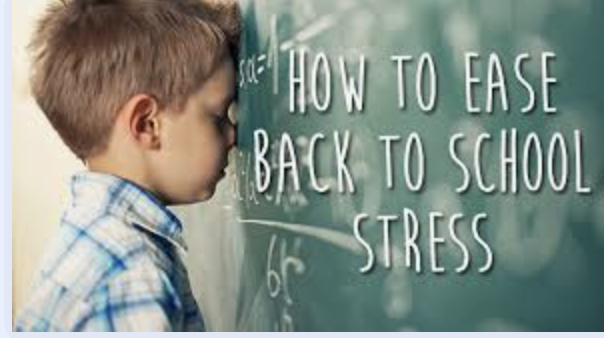
The Going Back-to-School Jolt: What’s Really Going On
Happy Champs Circle offers calm support and practical tools for parents. Join a supportive community to build trust, model emotional regulation, and stop second-guessing yourself. Get access to monthly topics, toolkits, and private audio coaching.
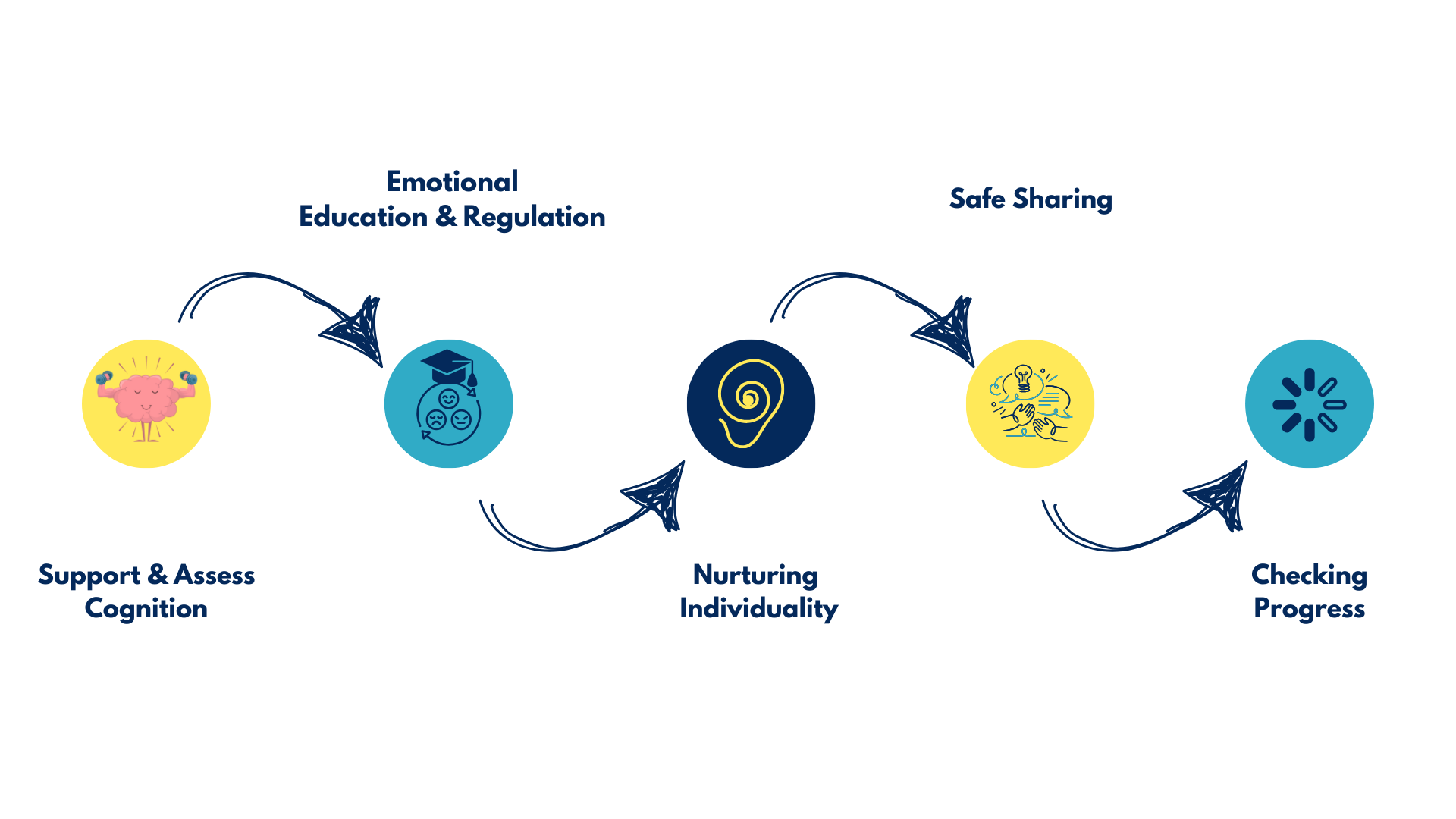
Choose your route:
™️
S
Support
Strategy & People
Assess strategic and people needs
E
Educate
Emotional Linguistic Education
Neuro-affirmed Trauma informed language
N
Nurture
Nurturing Relations
1:1 support where it’s needed most.
S
Share
Sharing Safely
Facilitated safety to share
E
Evaluate
Evaluate Progress
Monitor and evidence the impact in your setting.
AmbiSense®️ does not promise an environment without pressure.
It helps build systems that respond to pressure more predictably, humanely and effectively.