

Psychological Safety at Work: Why “I’m Fine” Signals Burnout, and What Leaders Can Do
We tend to picture burnout as a dramatic collapse after months of overwork.
That moment is just the finale.
Burnout begins quietly, long before someone takes time off or hands in their notice. In my work across HR, psychology, and leadership coaching, I’ve seen it rarely start with a bang. It starts with a whisper. Psychological safety at work is the strongest early warning system for burnout.
The quiet symptoms of burnout: tension, silence, unease
Before exhaustion comes withdrawal. You feel it in small, telling shifts:
The meeting where no one challenges the highest‑paid person in the room.
The 1:1 where “I’m fine” lands with a thud of unconvincing certainty.
The once‑vibrant colleague who’s suddenly quieter, flatter, and distant.
These aren’t performance problems. They’re signs of emotional disconnection.
When honesty feels risky, people manage the perception of the space instead of contributing ideas. They stop sharing truth and start performing stability.
That performance is exhausting, and this quiet, chronic self‑censorship fuels burnout far more than long hours ever could.
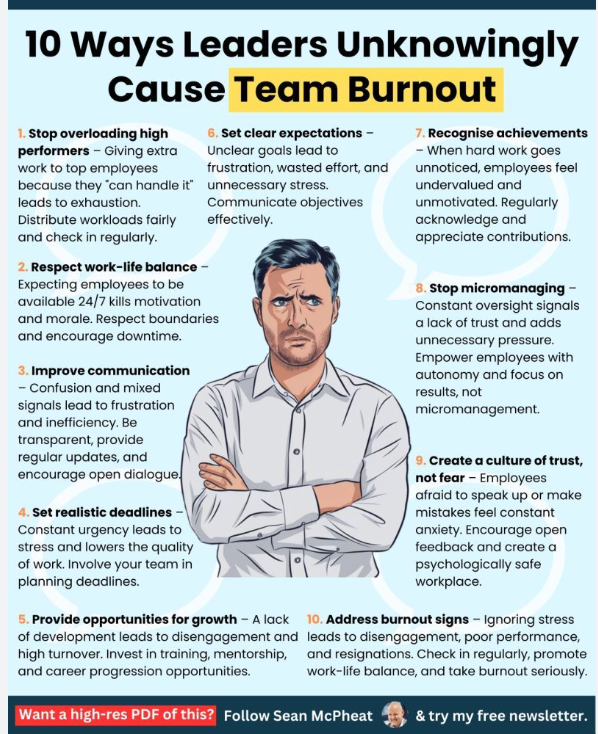
Emotional safety vs perks: what actually prevents burnout
If this is your organisation, we’ve tried to fix burnout with yoga classes, fruit bowls, and meditation apps, we provide a counselling platform or employee assistance program (EAP)’ then we need to talk as you can’t perk your way out of a psychological problem.
Wellbeing isn’t something you add to your culture. It is your culture. Emotional safety keeps people engaged, connected, and resilient. Without it, even the most generous wellbeing budgets won’t prevent disengagement or turnover, and this will cost you more than all of the wellbeing initiatives put together.
Leadership isn’t just delivering results. It’s creating conditions where people can be human. Where they can tell the truth. Where “I’m fine” isn’t the only acceptable answer.
The SENSE Framework for Psychological Safety
I developed the SENSE Framework to help leaders notice what’s really happening, beyond the words. It trains your attention on subtle emotional signals that reveal whether your culture feels safe or strained.
Silence
Observation: Are meetings one‑way? Is constructive dissent missing?
Inquiry: How are we signalling that disagreement is safe here?
Emotional Dampening
Observation: Are people overly agreeable or neutral? Has passion disappeared?
Inquiry: What’s stopping authentic energy from showing up?
Narrowed Focus
Observation: Are people doing the bare minimum, avoiding risk or creativity?
Inquiry: Have the stakes for failure become too high?
Shifts in Connection
Observation: Has a once‑social teammate withdrawn or disconnected?
Inquiry: Is isolation or disillusionment taking root behind the scenes?
Excessive Over‑Functioning
Observation: Is someone always over‑delivering while insisting they’re “fine”?
Inquiry: Is the drive coming from confidence—or fear of not being enough?
When leaders train their SENSE, they move from reacting to crises to preventing them. They stop managing burnout and start cultivating emotional safety.
From “I’m fine” to “I feel safe”: outcomes of emotionally safe teams
“I’m fine” is often a corporate mask for exhaustion, disconnection, and fear.
Build emotionally safe spaces, and the mask comes off. People rediscover not just their honesty, but their energy. Emotional safety isn’t about being nice. It’s about being effective.
It’s how you create high‑performing, self‑aware teams who don’t just survive work, they thrive within it.
If you’re ready to see your team clearly again, I’m opening a few spaces for 1:1 SENSE Check Sessions—a 90‑minute deep dive to identify hidden burnout risks and help you lead with confidence, empathy, and clarity.
💬 Message me ‘SENSE’ to book your space
FAQ
What is psychological safety at work?
Psychological safety is a shared belief that it’s safe to speak up, ask questions, and make mistakes without fear of blame or humiliation.
How does psychological safety prevent burnout?
It reduces self‑censorship and chronic stress, enabling honest problem‑solving before overload turns into burnout.
What are early warning signs of burnout on a team?
Silence in meetings, emotional dampening, narrowed focus, shifts in connection, and excessive over‑functioning.
What can leaders do this week to improve psychological safety?
Normalize dissent, ask for red‑team feedback, protect time for reflectson, and model fallibility.
